Claude, ChatGPT & more

Sell products from landing pages without touching the store

Import products from Shopify, WooCommerce, or CSV, build campaign-specific product pages, control checkout paths, refresh catalog data, and track purchase revenue back to the page, variant, and channel that drove it.

Sell products from landing pages without touching the store

Match every product, variant, and checkout path

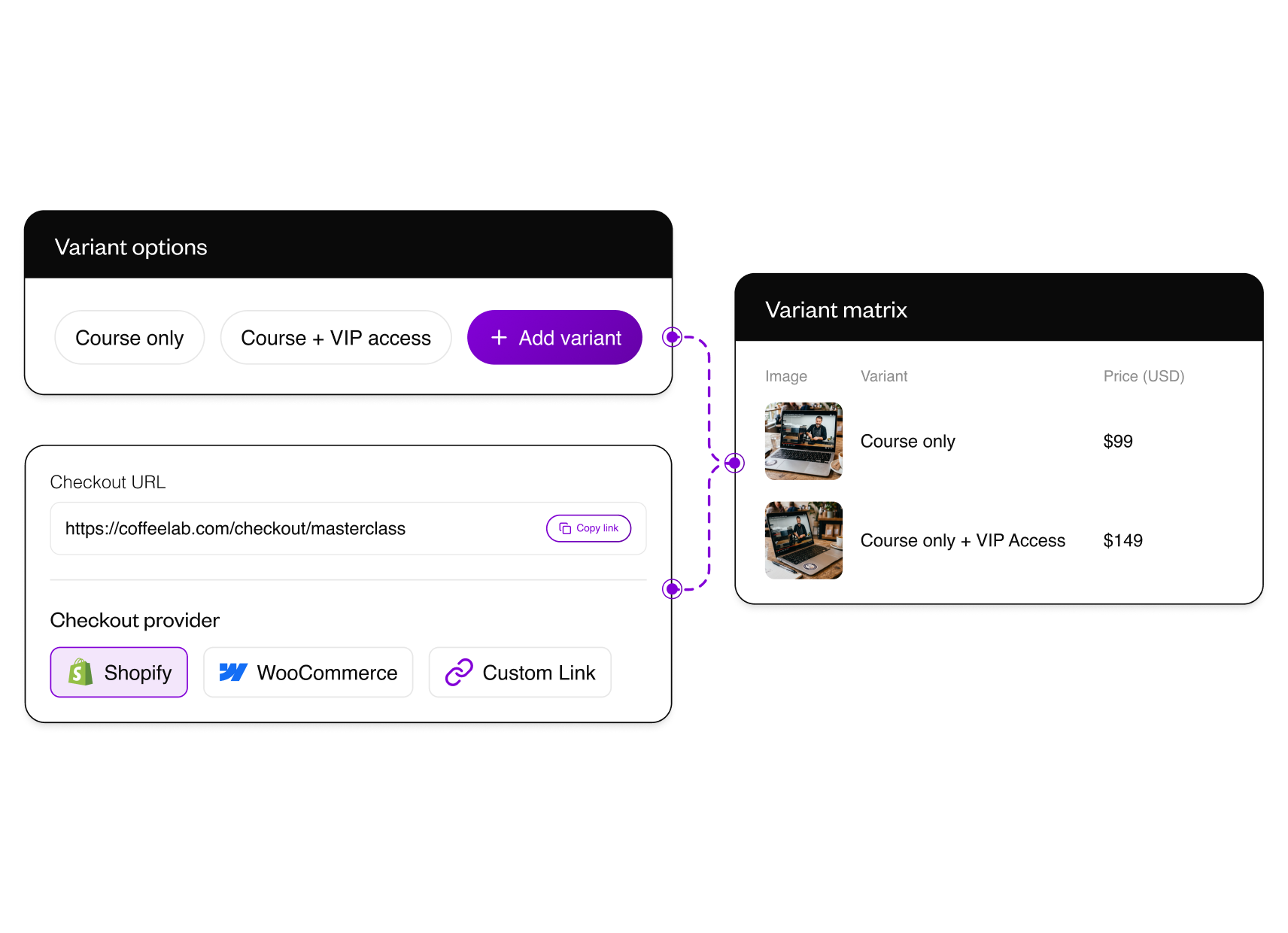
  • Build manual products, variants, and checkout URLs for offers that do not live inside Shopify or WooCommerce, so campaign pages can still sell cleanly.
  • Map imported products to the right variant names, prices, and destinations so buyers do not hit the wrong option after the click.
  • Route buttons to cart or checkout, open the right destination, and keep the buying path aligned with the page variant being tested.
Create products without store dependency

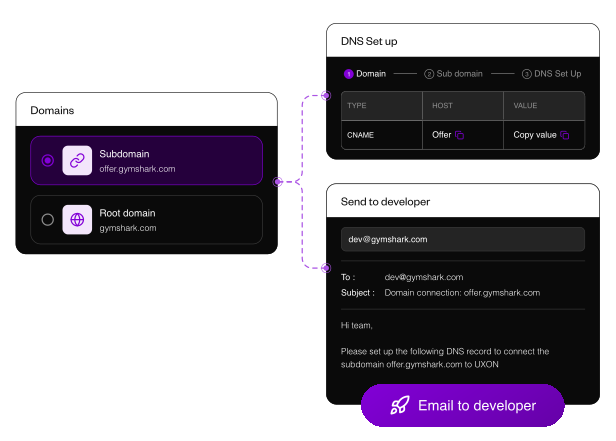
Launch product pages on your domain

Publish product-specific pages under the brand or client domain without touching the main store theme. Use guided DNS setup so campaigns can move faster while the primary ecommerce site stays stable.

Domain connection

Centralize brand and setup

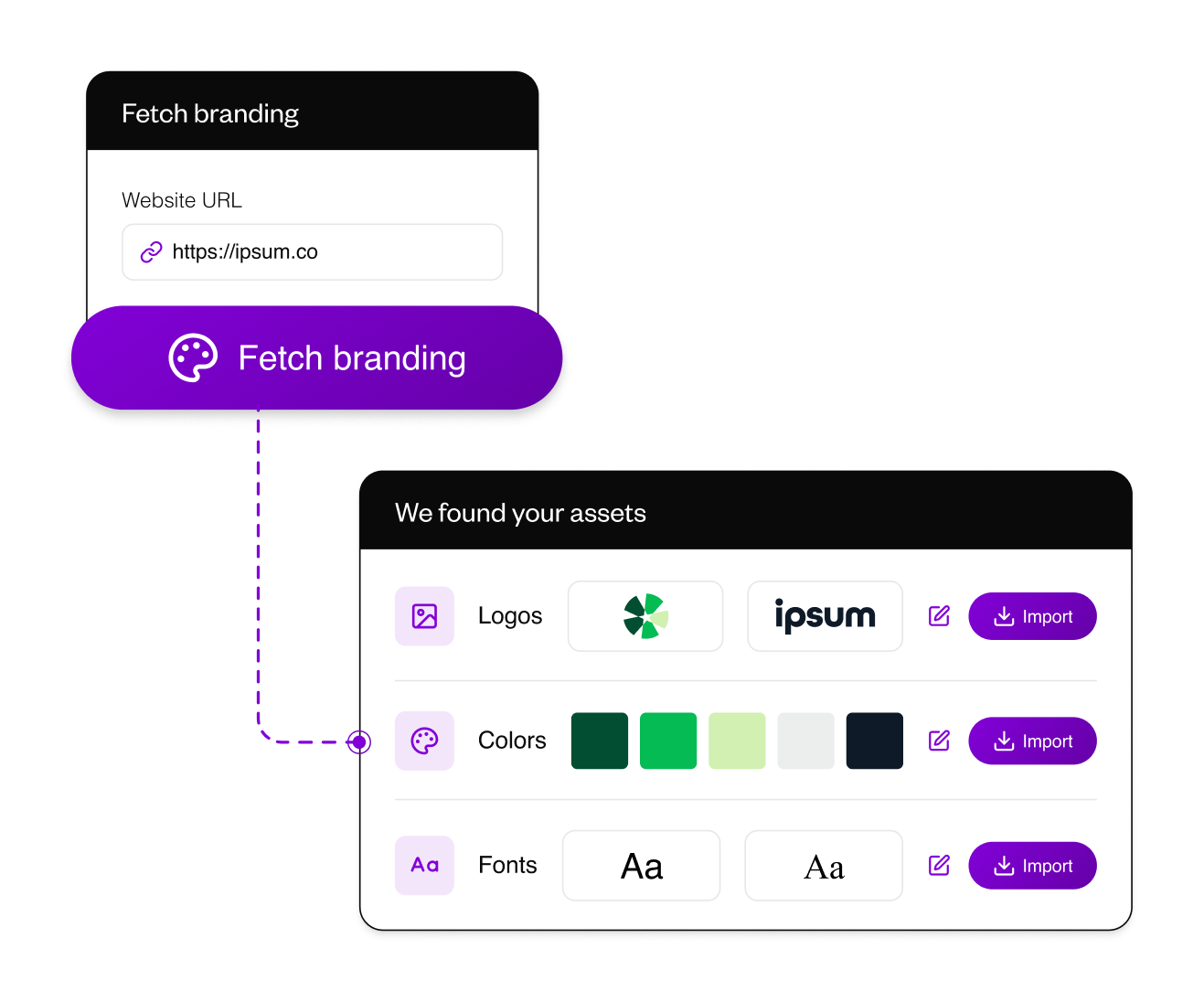
Product pages should not look like disconnected sales assets. Import the brand once, lock in colors, fonts, voice, and scripts, then reuse the same system across product pages, bundles, and offer tests.

Import
ImportPull logos, colors, and fonts from the store or client site, then adjust the brand system before the first product page goes live.
Colors and fonts
Voice
Global scripts

Use intelligence to build sharper product pages

Competitive angle discovery
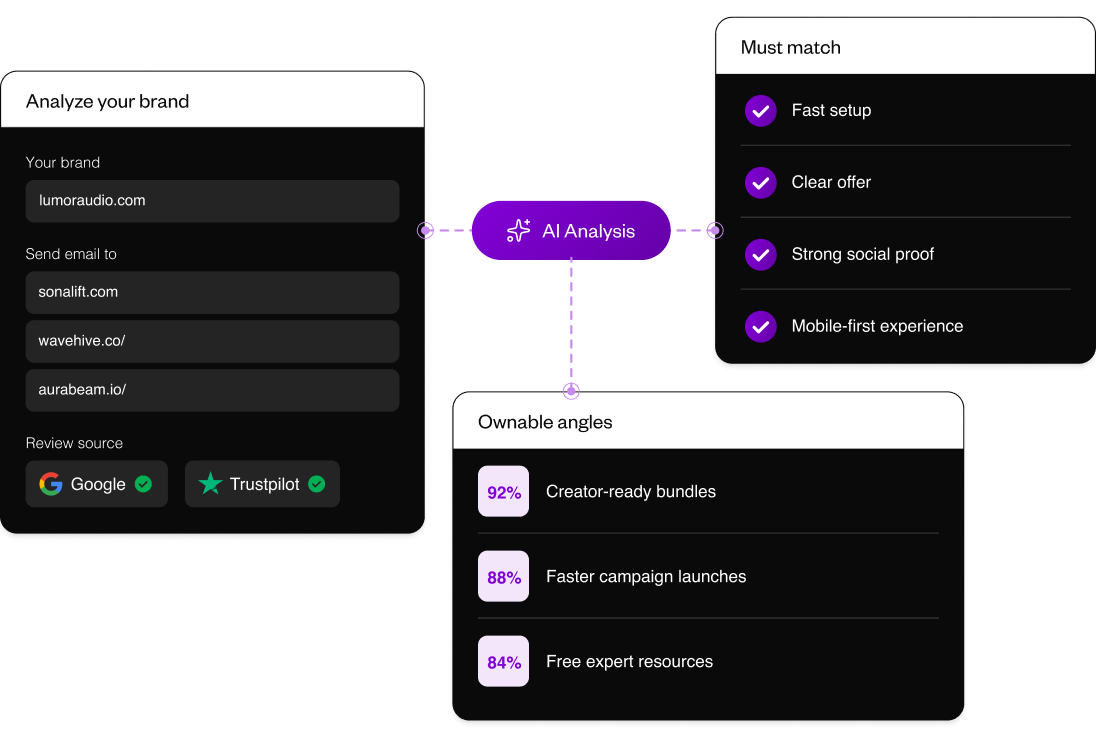
Brand intelligence overview

Compare brand and competitor claims before product copy is written, then turn positioning gaps into page angles, objections, and proof.

Review-backed claims

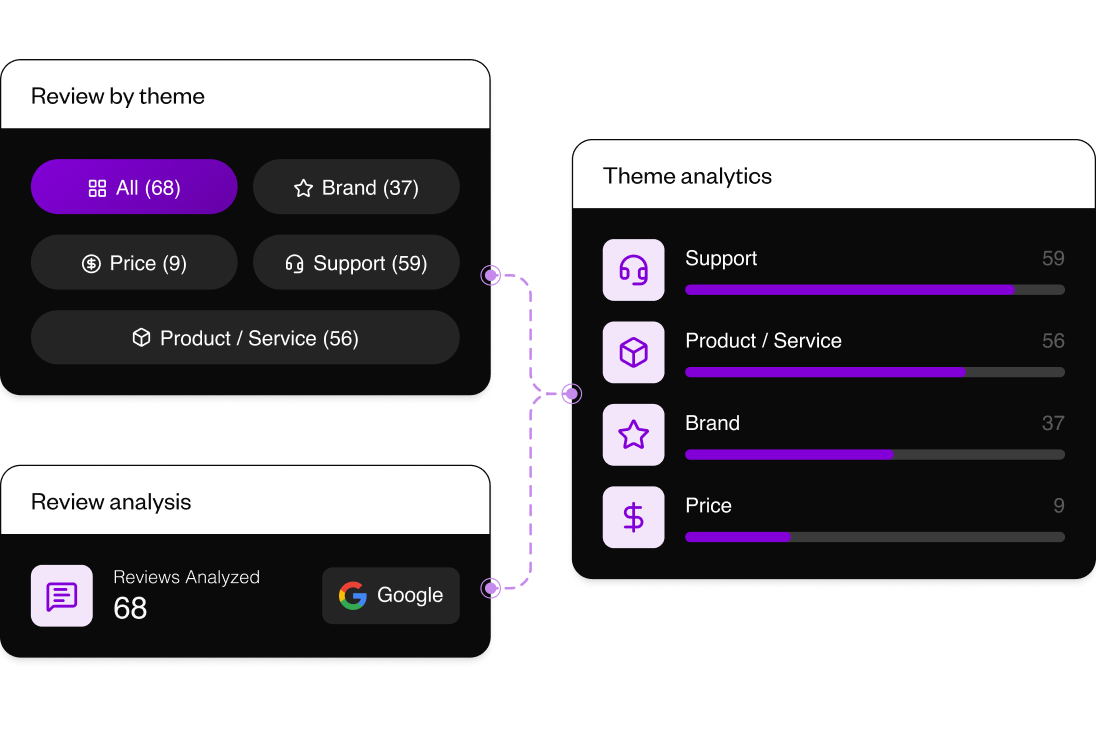
Brand intelligence theme analytics

Use customer review themes to find which benefits, objections, and support issues should appear on product pages before traffic scales.

Capture purchase events automatically

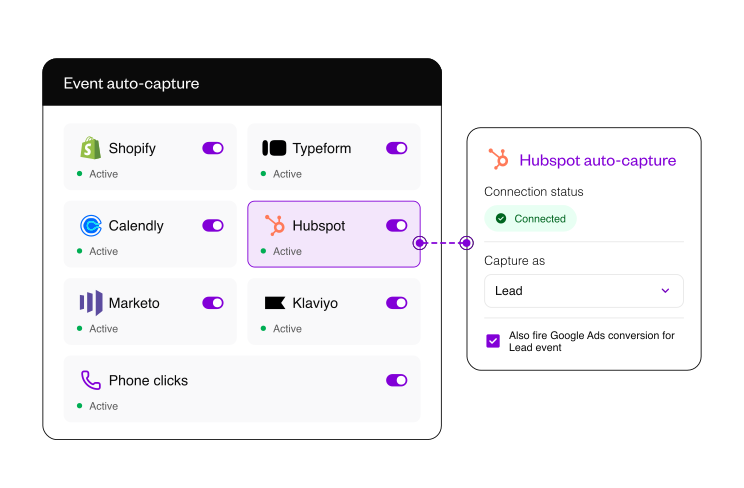
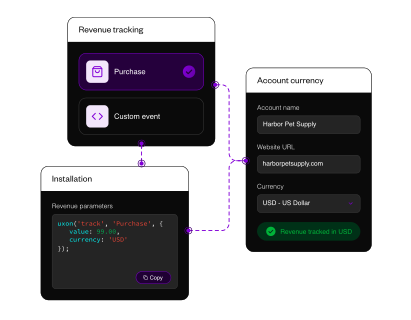
Track supported Shopify, Klaviyo, form, and conversion events with toggles instead of rebuilding tags for every product page. Purchases can stay connected to the page, channel, and variant that created them.

Capture conversion events automatically

Connect revenue to product performance

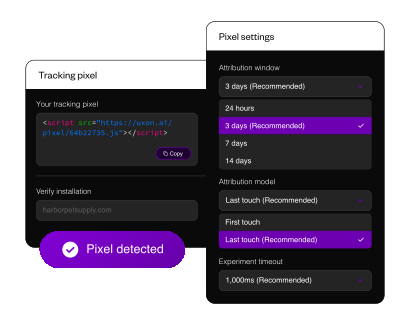
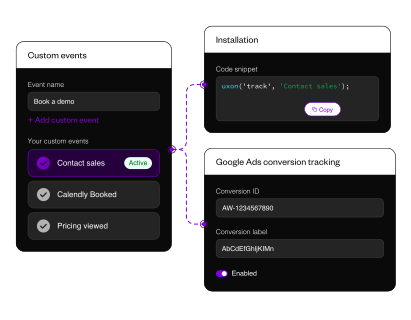
Do not judge commerce pages by clicks alone. Use first-party pixel settings, custom events, and revenue tracking to see which offer, page variant, and source created real commercial value.

Plan the next product test

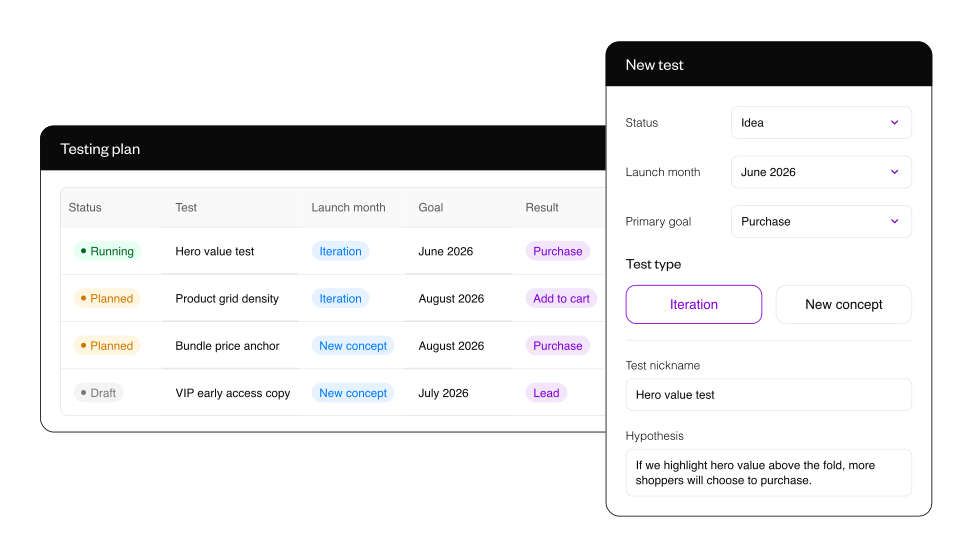
Turn product-page wins and losses into a reusable roadmap. Plan the next offer, checkout, variant, or page test, refresh live results, and keep learnings attached to the account.

Overview
OverviewPlan product-page ideas, offer tests, and follow-up iterations before spend moves.
Refresh results
Learnings

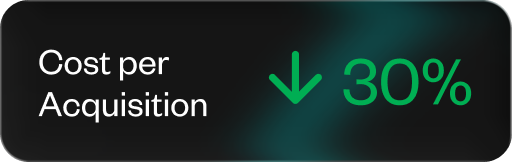
Conversion lifts across real client funnels

Frequently asked questions

UXON supports product workflows from Shopify, WooCommerce, CSV, and manually created products depending on setup. Teams can keep campaign pages focused on the products and variants tied to each offer.
No. UXON helps create product landing pages and control checkout destinations. Buyers can still be routed to the right cart, checkout, or external destination.
Yes. Teams can create custom products, variants, and checkout URLs manually, useful for preorders, service-product offers, bundles, or stores that use another payment path.
Yes. Purchase events and revenue data can flow into attribution and experiment reporting when configured, so teams can judge pages by revenue, conversion value, and product performance.
Yes. UXON connects commerce with landing pages, variants, first-party attribution, and experimentation, so teams can compare offers and route each variant to the right checkout path.