Claude, ChatGPT & more

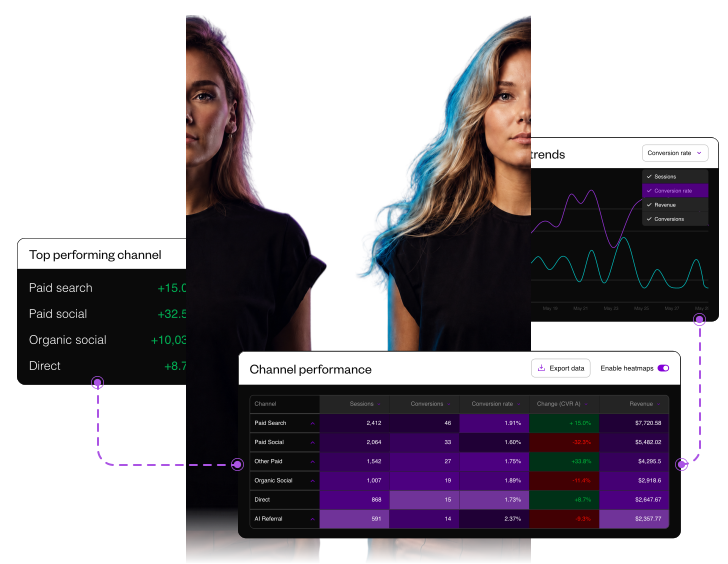
Get attribution proof beyond ad platform claims

Connect landing pages, websites, experiments, forms, calls, and revenue in one first-party measurement layer. See the channel, page, variant, path, and value behind each outcome before you scale spend.

Get attribution proof beyond ad platform claims

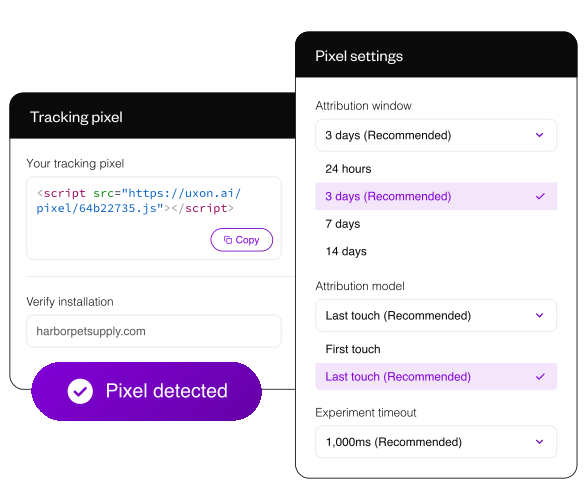
Set attribution rules before traffic scales

Configure the first-party pixel, attribution window, and first-touch or last-touch logic before campaigns go live, with options like 24 hours, 3 days, 7 days, or 14 days.

Analytics pixel
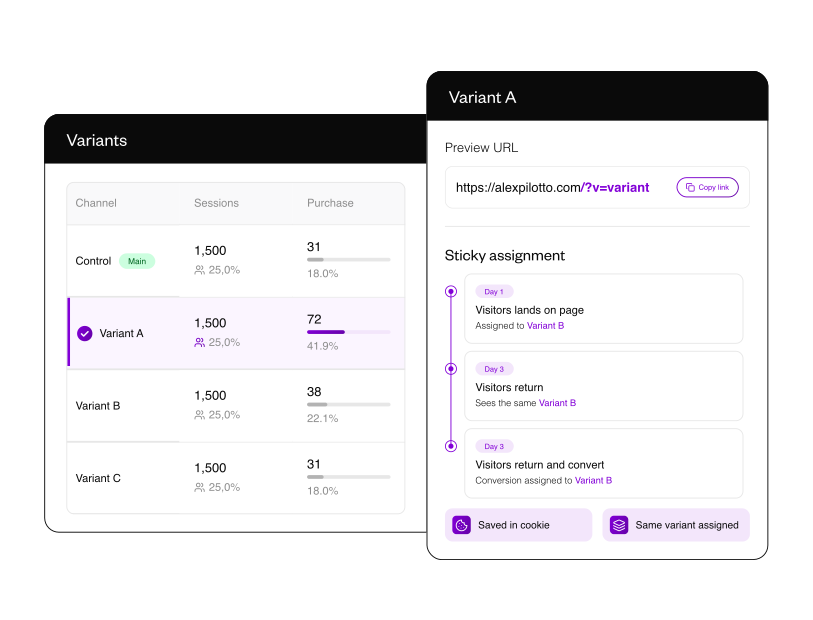
Variant traffic routing
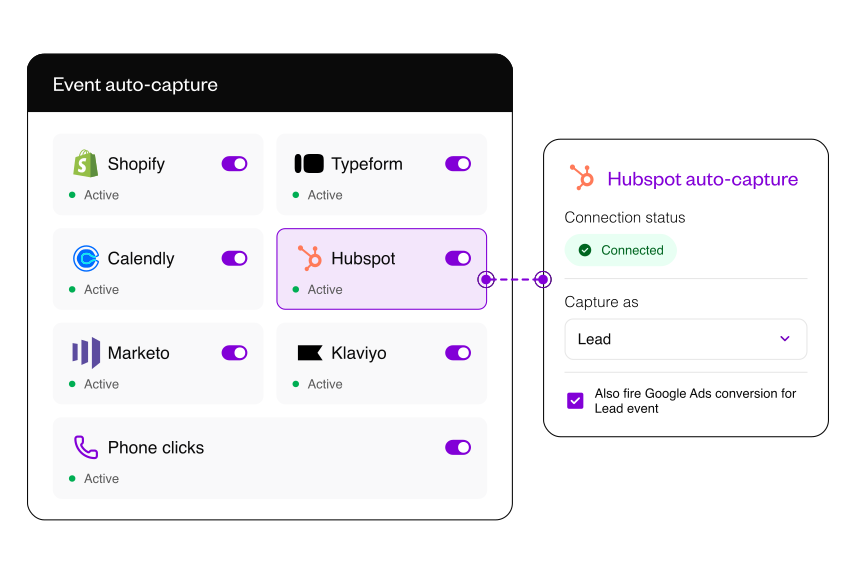
Conversion event auto capture

Measure the outcomes basic analytics misses

Connect revenue to performance
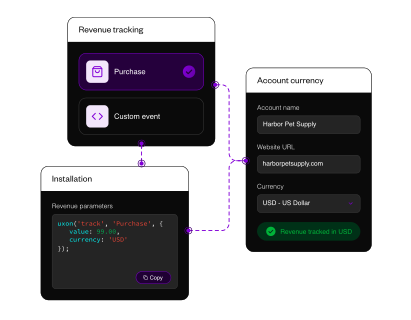
Revenue tracking setup

Bring purchase value and revenue-bearing custom events into reporting, so pages can be measured by commercial impact, not just lead count.
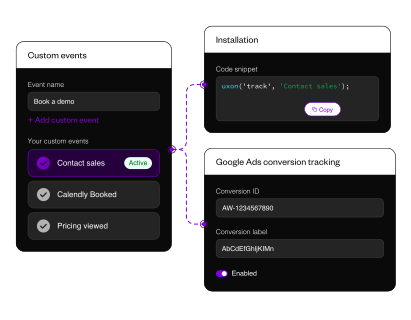
Track custom goals

Custom goals tracking

Define the events that matter to each funnel, from booked demos and phone-intent clicks to product actions, with value, currency, and metadata where needed.

Protect data quality

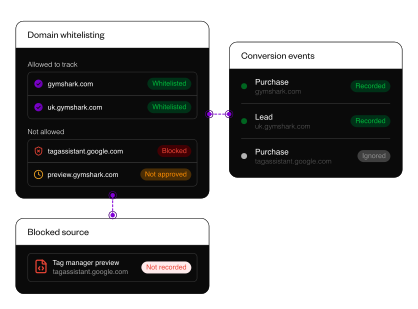
Domain whitelisting and conversion events

Whitelist approved domains so test environments, wrong-brand installs, and stray pixel fires do not pollute reporting.

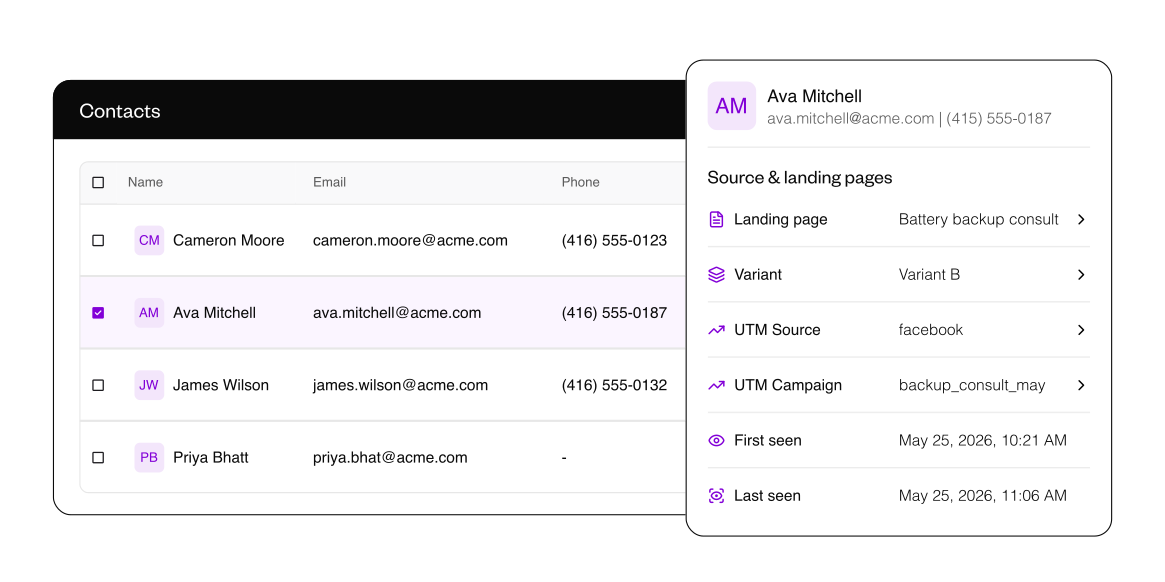
Trace every lead back to source

Open each contact record to see contact details, source context, page activity, variant, and conversion event in one view.

Saved contacts

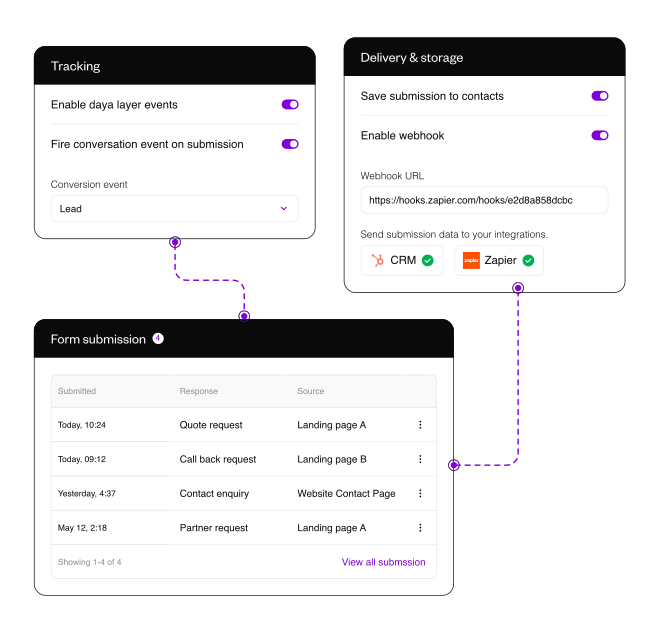
Build forms with the marketing layer already wired

Fire dataLayer events by screen or question, map submissions to conversion events, route leads through webhooks, and control storage rules. Each form carries the tracking context needed for GTM, CRM routing, attribution, and cleaner lead reporting.

Forms tracking

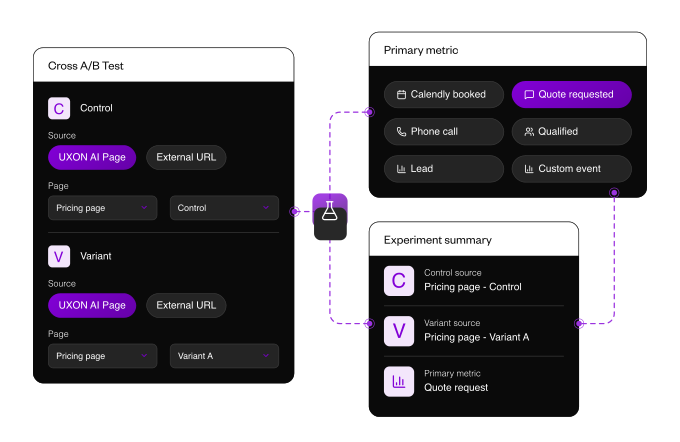
Test pages across domains without losing attribution

Compare UXON pages, existing website pages, or external URLs with attribution attached. See which experience drove the lead, call, purchase, or revenue.

Cross domain ab testing

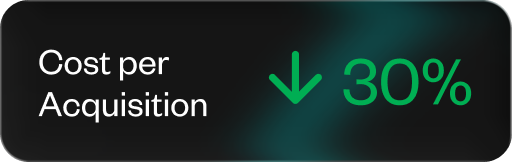
Conversion lifts across real client funnels

Frequently asked questions

UXON connects visits, sources, pages, variants, and conversion events across the post-click journey using its own attribution layer. Teams get a cleaner view than relying only on ad platform totals or isolated page-builder reports.
Yes. UXON is built for funnels that move from ads to landing pages to client sites, forms, calls, checkout pages, or experiments. The goal is to keep the original source and experience connected to the final outcome.
Yes. Teams can align attribution windows to the buying cycle, from short lead-gen journeys to longer-consideration sales paths. This helps reports reflect how customers actually convert.
Yes. UXON can track custom events, conversion goals, purchase value, and revenue where the setup provides that data. That lets teams compare pages and channels by business outcome, not only conversion volume.
UXON supports attribution rules, auto-captured events, approved-domain controls, and source context so teams can reduce noisy data before it reaches reports. Cleaner inputs make client reporting and budget decisions easier to defend.